Manifesto
The internet doesn't need another guru
Scroll for thirty seconds and you will find him. A man in front of a rented car, telling you that mindset is everything and his course is the shortcut. The online money world is not short on gurus. It is drowning in them.
What it is actually short on is the one thing none of them sell: a trustworthy room where people who already do the work can find each other without getting scammed.

Why do gurus sell courses instead of results?
Because the course is the business. When the product is information, the incentive is to sell it to as many people as possible, whether or not it works for any of them. The bigger the audience, the better, and the audience never becomes peers. They stay an audience, forever, buying the next thing.
That is the tell. A guru needs followers. An operator needs a handful of people at their level who pick up the phone.
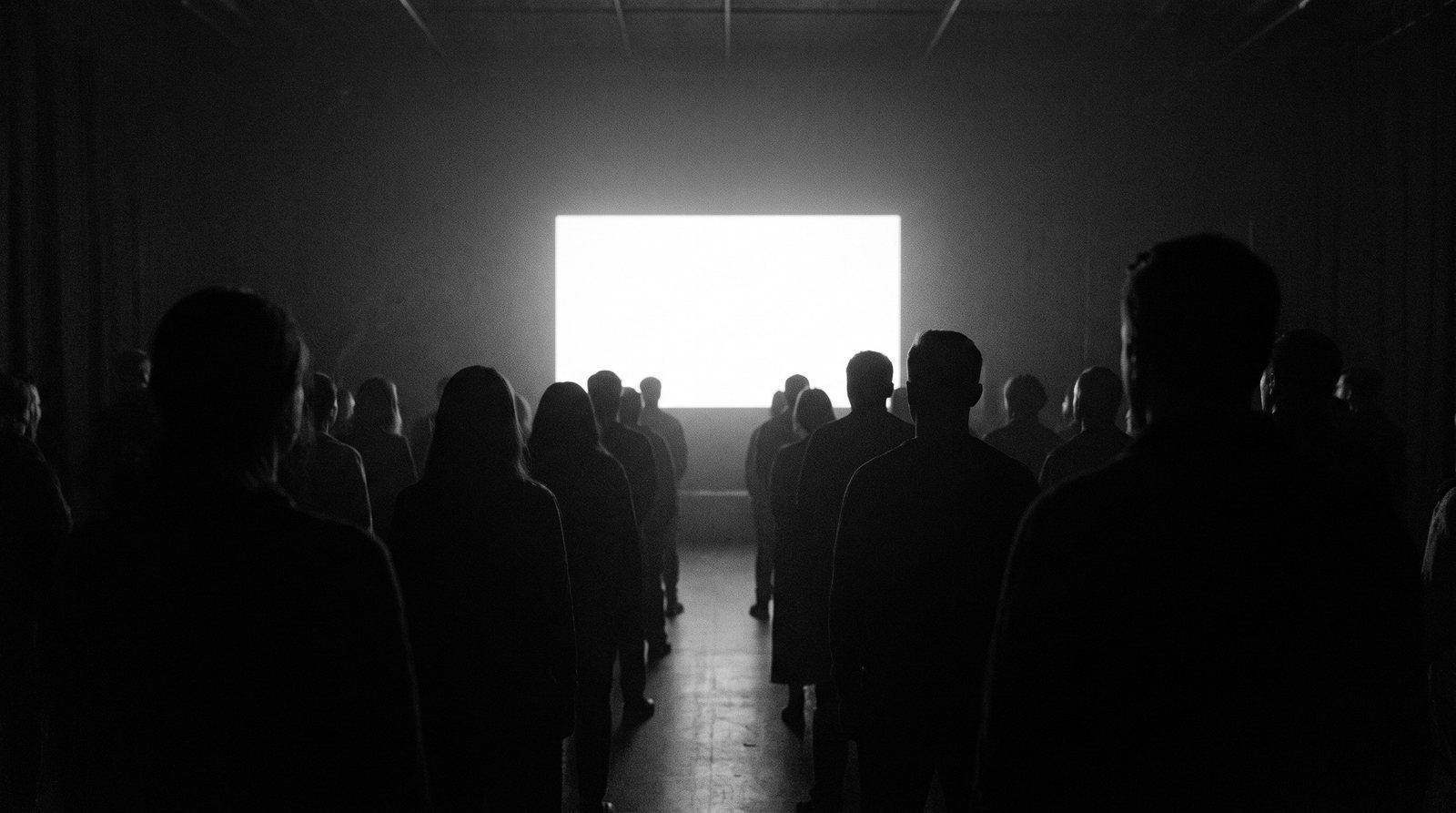
What is the difference between an audience and a network?
An audience points one direction: toward the person at the front. A network points every direction: member to member. In an audience, value flows down from the guru and money flows up. In a network, value flows sideways and nobody is on a stage.
- An audience consumes. A network trades.
- An audience is sold to. A network vouches for each other.
- An audience needs the guru to keep talking. A network runs without anyone at the front.
So what should exist instead?
Rooms with no stage. No course, no mentorship funnel, no dream for sale. Just vetted operators who help each other because helping is how you build standing in a room worth being in.
That is the entire reason Global Network exists. We are the opposite of the guru internet, on purpose, and we sound like it.
| An audience | A network | |
|---|---|---|
| Direction | Points at the guru | Points member to member |
| Value flow | Down from the stage | Sideways between peers |
| Your role | You consume | You trade |
| What it needs | The guru to keep talking | Nobody at the front |
The bond between a guru and their audience is what researchers call a "parasocial" relationship: it feels personal, but it only runs one direction. A network runs both ways.